Welcome to Ningbo Zhongzhi Automation Technology Co., Ltd
Can Magnetic Polishing Machines Process Long Metal Parts? A Practical Application Demonstration
In metal manufacturing, surface finishing is not always straightforward. While small components are relatively easy to handle, long metal workpieces and specially shaped parts can present additional challenges during the finishing process.
Manufacturers need to consider workpiece dimensions, surface accessibility, finishing consistency and the suitability of the abrasive process.
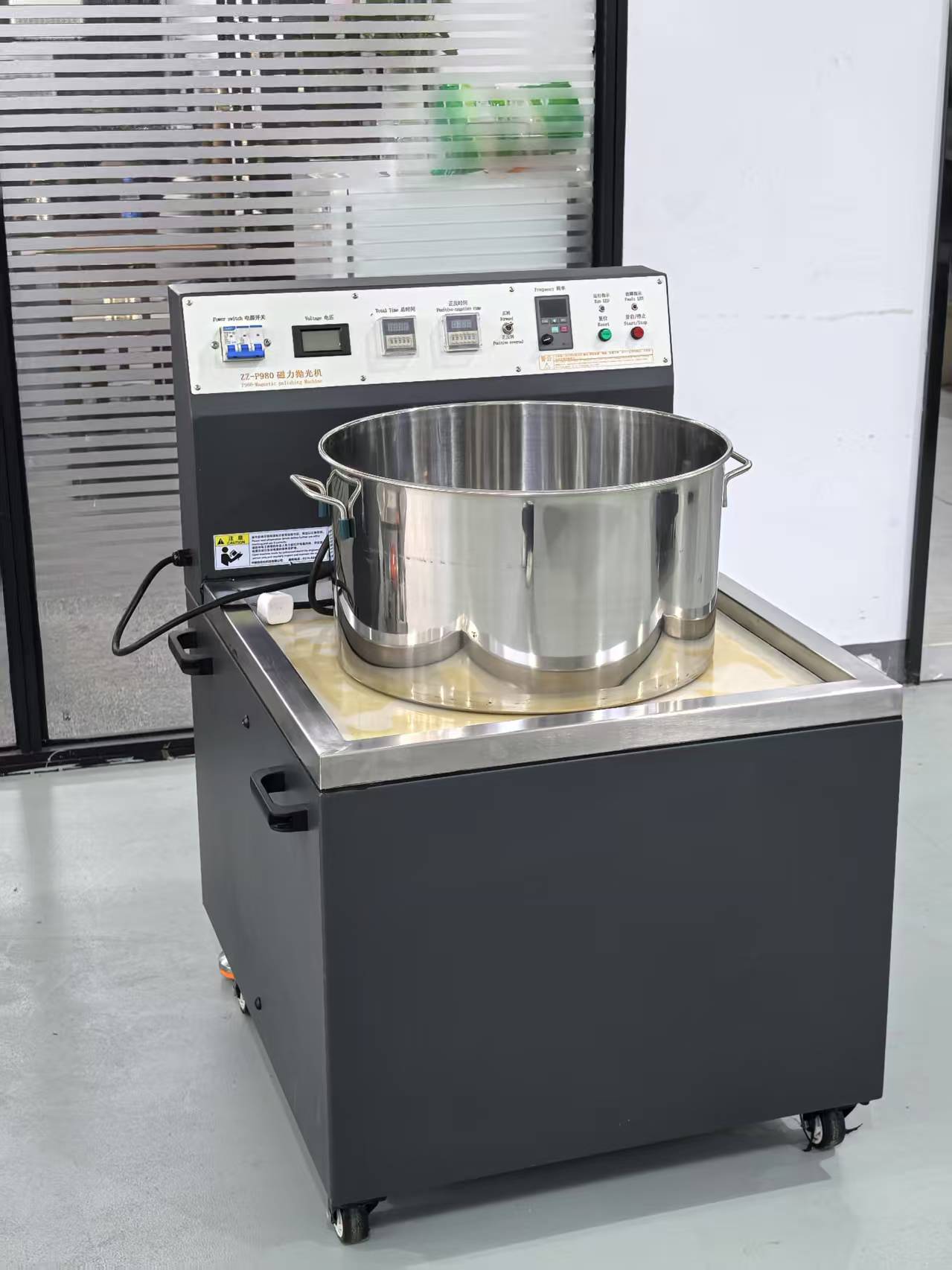
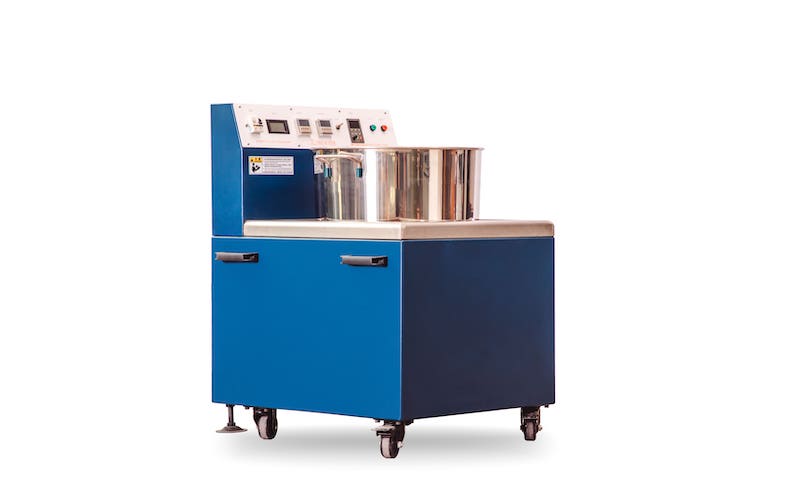
In this application demonstration, ZZ Magnetic Polishing Machine showcases magnetic abrasive pin movement and the handling of a long metal workpiece during a surface finishing operation.
1. Understanding Magnetic Abrasive Pin Movement
One of the key features of magnetic polishing technology is the movement of magnetic abrasive pins inside the processing tank.
Driven by a rotating magnetic field, the stainless steel magnetic pins form dynamic movement patterns within the processing area.
As the magnetic pins move, they create continuous friction against accessible metal surfaces.
This mechanical action can help remove small burrs, improve surface conditions and clean suitable metal components.
The movement of the abrasive media is an important factor in the overall finishing process.
2. Surface Finishing for Long Metal Workpieces
Long metal components are commonly found in industrial manufacturing, equipment production and metal fabrication.
Their dimensions and geometries may make conventional manual finishing time-consuming, especially when multiple surfaces or edges require attention.
Magnetic polishing technology can be evaluated for suitable long workpieces, provided that the machine configuration, processing area and workpiece positioning meet the application requirements.
In the demonstration video, a long metal component is handled during the processing and cleaning procedure.
This provides a practical example of how workpiece dimensions and handling should be considered when selecting a magnetic polishing solution.
3. Why Workpiece Size Matters in Magnetic Polishing
Choosing a magnetic polishing machine involves more than simply considering its motor power or processing capacity.
The dimensions and geometry of the workpiece are equally important.
Here are several factors manufacturers should evaluate:
Workpiece Length and Dimensions
The length, width and overall geometry of a metal component determine whether it can be properly positioned within the machine's processing area.
Surface Accessibility
Different workpiece shapes provide different levels of access for magnetic abrasive media.
Recessed areas, narrow spaces and complex geometries may require additional application testing.
Abrasive Media Selection
The diameter, length and material of magnetic abrasive pins influence their movement and finishing action.
Selecting suitable abrasive media is important for achieving the desired surface condition.
Processing Time
Different metals and surface conditions require different processing parameters.
A suitable processing time should be determined through actual workpiece testing rather than using one fixed setting for every application.
4. Achieving More Consistent Metal Surface Finishing
Consistency is an important consideration in industrial surface finishing.
For manufacturers processing batches of metal components, the ability to establish repeatable processing conditions can help improve production management.
A magnetic polishing process should consider:
Consistent workpiece loading and positioning
Appropriate magnetic abrasive media
Suitable processing time
Correct processing conditions
Regular inspection of finished components
By evaluating these factors, manufacturers can develop a more suitable finishing procedure for their specific production requirements.
5. Applications of Magnetic Polishing Technology
Magnetic polishing machines can be evaluated for various metal finishing applications, including:
Precision metal components
Machined metal parts
Metal hardware and fittings
Components with small burrs
Specially shaped metal workpieces
Metal parts requiring surface cleaning and polishing
The suitability of the process depends on material properties, dimensions, geometry and required finishing results.
For oversized or unusually shaped components, a workpiece test is recommended before selecting the final machine configuration.
6. Find the Right Magnetic Polishing Machine for Your Workpieces
Not every metal finishing application requires the same machine configuration.
At ZZ Magnetic Polishing Machine, we understand that different workpieces have different processing requirements.
When selecting equipment, manufacturers should consider the following information:
Workpiece material
Maximum workpiece dimensions
Workpiece shape and structure
Current surface condition
Required finishing result
Expected production volume
Providing these details helps identify a more appropriate magnetic polishing solution.
Conclusion: Test Your Metal Parts Before Choosing Equipment
Magnetic polishing technology offers an alternative approach to finishing suitable metal components.
For long metal workpieces and specially shaped parts, evaluating the workpiece dimensions, abrasive media and processing conditions is essential.
The best way to determine whether a magnetic polishing machine is suitable for your application is to test your actual workpieces.
Contact ZZ Magnetic Polishing Machine today. Send us your workpiece photos, dimensions and processing requirements to discuss a suitable metal surface finishing solution.