Welcome to Ningbo Zhongzhi Automation Technology Co., Ltd
How to Optimize Your Magnetic Polishing Process for Maximum Efficiency
In the fast-paced world of manufacturing, maximizing efficiency is key to maintaining competitive advantage. Magnetic polishing machines offer an innovative solution for finishing workpieces with precision and speed. However, to truly leverage their potential, it’s essential to optimize the polishing process. This article provides actionable strategies to enhance the efficiency of your magnetic polishing operations.
1. Choose the Right Polishing Media
One of the fundamental aspects of optimizing your magnetic polishing process is selecting the appropriate polishing media. The type, size, and shape of the media influence the finish quality and process efficiency. Consider using stainless steel pins for intricate components and complex surfaces, while ceramic or plastic media can be ideal for more general applications. Ensure compatibility between the media and the workpiece material to avoid damage and achieve the desired finish.
2. Optimize Machine Settings
Careful calibration of your machine's settings can significantly boost efficiency. Adjust the magnetic field strength and rotational speed according to the specific requirements of each job. Experiment with different combinations to determine the optimal settings that provide the best balance between speed and finish quality. Modern machines often feature programmable settings, allowing for quick adjustments and consistency across batches.
3. Maintain Proper Workpiece Load
Loading the machine with too many or too few workpieces can impact its performance. Overloading can reduce the effectiveness of the polishing action, while underloading can lead to wasted energy and time. Strive to maintain an optimal load that ensures effective media movement and consistent polishing across all pieces. Refer to your machine's specifications for guidance on ideal loading conditions.
4. Implement Regular Maintenance
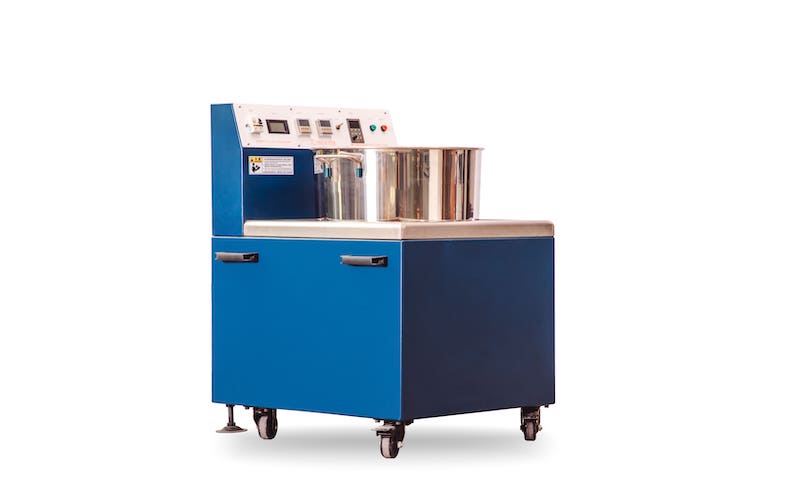
Regular maintenance of your magnetic polishing machine is crucial for sustained efficiency and longevity. Clean the machine components, especially the magnetic disks and bowls, to prevent media build-up and ensure smooth operation. Scheduled inspections and preventive maintenance can help identify potential issues before they escalate, reducing downtime and repair costs.
5. Monitor Process Performance
Continuously monitor the performance of your polishing process through key performance indicators (KPIs), such as cycle time, finish quality, and media wear. Use this data to identify patterns or anomalies that could indicate areas for improvement. Implementing a continuous improvement approach ensures your process evolves to meet changing demands and challenges.
6. Train Your Team
Efficiency doesn’t only come from machines—it also depends on the people operating them. Invest in training programs to ensure your team is well-versed in operating procedures, machine adjustments, and safety protocols. A knowledgeable team can quickly troubleshoot issues and make informed decisions that maintain process efficiency.
7. Evaluate and Upgrade Equipment
Finally, regularly evaluate the performance of your existing equipment. Newer models often come with advanced features that can drastically increase performance and efficiency. Stay informed about innovations in magnetic polishing technology, and be prepared to upgrade your machinery when necessary to stay competitive and efficient.
Optimizing your magnetic polishing process requires a strategic combination of the right equipment, best practices, and informed personnel. By selecting the appropriate media, fine-tuning machine settings, maintaining equipment, and fostering a well-trained team, you can achieve maximum efficiency in your operations. Employing these strategies will not only enhance your polishing process but also contribute to improved product quality and overall business success.